| How to Handle Conflict and Escalations Before They Turn Legal | ||
| Instructor: Dana Robinson |  | |
| Released: 4/12/2023 | Course Details 38m General | |
| Skills Covered Customer Escalation Management | Course Link | |
| Professional Certifications and Continuing Education Units (CEUs) N/A | ||
Understanding Conflict
What happens if it turns legal?
Lawyers are expensive. Paying lawyers becomes costly very quickly. Lawyers don’t retain your customers. Reputation matters more than ever. Even if lawyers resolve the conflict you may have irreparable damage in poor reviews.
Anxiety and the emotional state of conflict
Every conflict starts with an angry person who feels wronged, whether or not they are right isn’t important at this point. What’s important is that they have big feelings and will act in proportion to those feelings, and you or your company are the object of their anger. Their anger and feelings are real, even if they’re mistaken about facts or circumstances.
At the core of most conflicts is anxiety. Unfortunately, when we’re in this anxious state, we’re not the thoughtful, rational, engaged people we are when we’re calm. We’re ready for a fight.
How to regulate someone who is activated
Understand their state of mind. Do not tell them to calm down. Remember that you can’t resolve a conflict when you bring your own emotions. If you get angry, you will lose.
What is negotiation?
You are negotiating a challenging road. Solving problems or negotiating a pathway to a resolution is much easier when we realize it’s not a personal attack and should be taken as an opportunity rather than a burden.
The Resolution Process
Set the stage
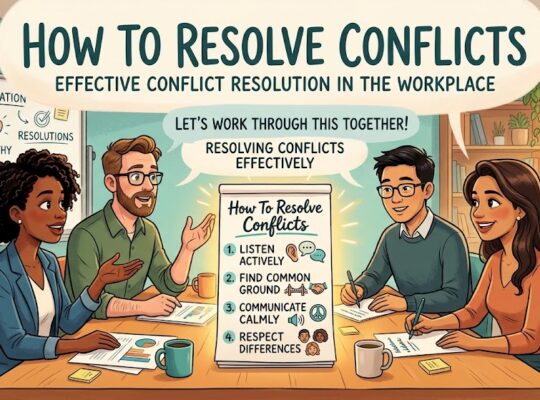
- Own your mistake. You don’t know what yet, of course, but the person needs to know that you plan to do something about it.
- Ask to hear everything. Listen carefully and look for opportunities to fill in the blanks, ask questions, and find the right solution.
- Recognize the customer is entitled to be upset.
Let the other person be heard
It’s your responsibility as the one trying to resolve this conflict, to invite them to open up and share what they perceive and to let them do so without judgment. Your goal is to seek clarity by actively listening and asking questions to clarify facts, but not to challenge or argue. Provide affirmation for their feelings
- Listen
- Affirm
- Never argue
- Encourage a complete narrative
Take ownership
The second most important pillar of conflict resolution is for you to take ownership. This is hard if you’ve made a mistake because you’re admitting to it. It’s also sometimes a challenge to take ownership for your company because you might have been told not to create potential liability by making admissions or apologizing. Mistakes cost more to resolve later.
Great phrases to use
- “This is our problem”
- “We have done wrong”
- “You deserve to be heard”
- “You deserve an outcome you’re satisfied with”
Resolving Conflict and Escalations: Get Back to the Facts
Fact-finding helps take the other person out of their emotional state
Now that you’ve calmed the other person down and made them feel safe, it’s time to get to the facts. Once you’re talking to a regulated person, you can ask fair questions to be sure you understand and can get to the right resolution. An example is used to demonstrate that the problem was resolved and each party felt good about the outcome because the escalation specialist successfully de-escalated the situation using facts and not arguing.
Gather facts with non judgmental questions
Write down the facts of the escalation. Carefully navigate any facts that appear to be against the customer’s position. Show empathy.
Don’t argue
Ask clarifying questions to find a fair solution. You can even rephrase what they say and ask if that’s a correct understanding. Do not diminish their position.
Reach the Optimal Outcome in Conflict and Escalations
What’s the ideal resolution? Ask the customer
Once you’ve set the stage and gathered the facts, it’s time to see if there’s a resolution that’s within your authority. Ask the customer what they want. Condition the customer towards an outcome you can do. Most settlements leave both sides unhappy.
What if a customer presents an ideal outcome that is not within your authority, or you’ve thought of a solution that’s more favorable to you?
- Simply say “I’m not able to do that for you, as much as I’d like to, but can do X.”
- Present multiple options. Say “I can’t do what you asked for, but I have some alternatives. I can do X, Y, or Z, or some combination of those.”
Is the escalation complete?
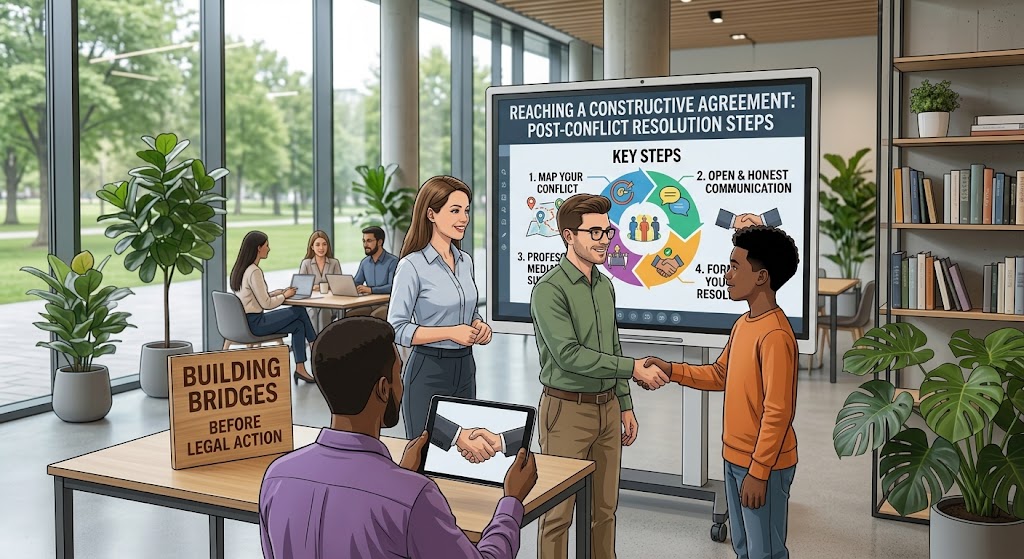
It’s important to make certain that the matter is acceptably closed so that the escalation can close as well. Refuse to accept their apology. “You do not need to apologize to me, you are entitled to be upset and I’m sure I would react the same way.”
Whether the matter is closed with an apology, words of gratitude or simply an agreement that they’re satisfied, when you bring an escalation to a close, be sure you confirm the outcome in writing.
What happens if the escalation isn’t settled?
It’s okay not to close out the escalation as long as the door remains open. Tell the customer you’re going to take further action and get back to them with more options. Offer to send it up the chain of command.
As a business executive, one last ditch comment I’ve used is to say, Mr. Smith, I’d like to square up with you on this. If I can keep it out of the hands of the legal compliance department and keep it from going to the insurance adjusters, it gives me more leverage to make sure you’re satisfied with the result. That’s a better outcome for us as a company. But once it’s turned over to the legal department, they put the matter through a specific process and it’s out of management’s control. Anyone who’s had legal disputes will take this as an opportunity to come up with a solution that avoids going through that process
Lawyers and insurance adjusters focus on cost/benefit. They may not focus on consumer satisfaction. The outcome is not always optimized for protecting your company’s brand or customer relationships.
You can’t win every time
Compound mistakes are the worst, accept that not all escalations can be solved and be gracious in accepting the tongue-lashing you receive from an upset customer. Log the input you receive so your company can coach the team and avoid making the same mistakes in the future.
Resolving Conflict and Escalation: Your Delivery Style
Think of yourself as an escalation professional
De-escalating is part of your job. Create a repeatable process.
Prepare your own mind and body
Don’t stress out about company or business disputes. You are the calm and safe voice.
Body language
Smile during conflict. Smiling fools your mind and body into believing that you are happy even though you might be getting yelled at by an angry customer. Smile, sit up, sit straight, stay attentive and be curious. Make eye contact. Don’t cross your arms. Be warm and empathetic in your demeanor.
 | Remember! To experience the full benefit of this guide, I highly recommend you watch the full training session. |